Are GLP-1s postpartum a good idea?
New moms looking to lose weight are among the many people seeking out GLP-1 medications. But there are some important things to consider first.
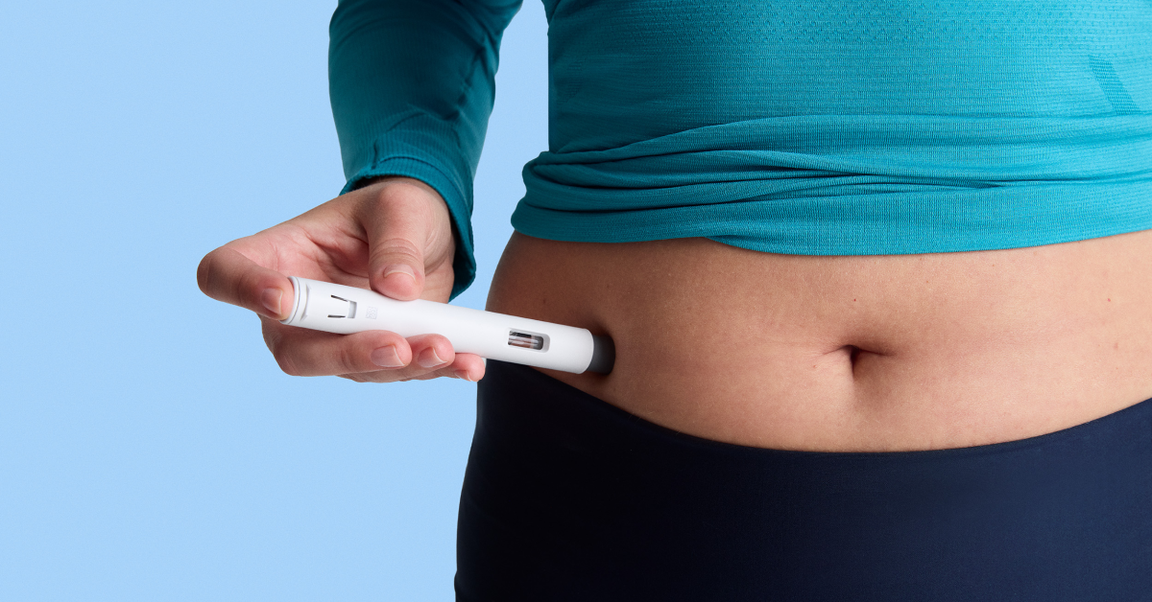
It takes 9 months (and some change!) to grow a baby — but the pressure to “bounce back” seems to hit as soon as the baby is out. Blame it on the celebrities whose bodies seemingly boomerang back in days. Blame it on that one Instagram friend who booked a makeup artist at her bedside. Blame it on the leaders who still won’t pass paid parental leave. (Postpartum? What’s that?) Blame it on the very human desire to feel like yourself again after sharing your body for so long. Naturally, more and more new moms are considering taking a GLP-1 as a way to rebound. But is it a good idea to take a weight-loss medication soon after giving birth? Here’s what you should take some time to consider.
How GLP-1s work
GLP-1 is short for glucagon-like peptide-1, a hormone in your digestive tract that your body releases when you eat. GLP-1 medications mimic that hormone, working in your gut and brain to help regulate blood sugar, lower your appetite, and prolong feelings of fullness. There are ones approved for type 2 diabetes, like Ozempic (semaglutide) and Mounjaro (tirzepatide), as well as ones approved for weight loss, like Wegovy (semaglutide) and Zepbound (tirzepatide).
These medications have become some of the most effective medications to improve blood sugar, reduce the risk of certain cardiovascular conditions, and lose weight out there, with people losing up to 15% to 21% of their bodyweight on average in a little more than a year. And recent research has even found that these medications might have other health benefits, too, like potentially lowering your risk for kidney problems and maybe even reducing your cravings for alcohol.
Why new moms may want GLP-1s
Putting on weight when you’re pregnant isn’t just normal, it’s a necessity. According to the CDC, those with a normal BMI are recommended to gain 25 to 35 pounds (while those with overweight or obesity are recommended to gain slightly less). The extra weight allows for the baby to grow, supporting extra blood volume and a larger uterus and bulking up your energy reserves (which gets stored as fat and can be an energy source when nursing). But after delivery, that extra weight doesn’t just disappear instantly. For some, it can take a long time for you to return to your pre-baby weight, if you do at all. Roughly 75% of women still have some baby weight a year postpartum and nearly half are more than 10 pounds over their pre-pregnancy weight.
The speed you lose weight depends on a variety of factors, like your genetics, whether you nurse or not, and hormones — not to mention practical things like how much help you have, your childcare set-up, and whether you delivered vaginally or via C-section. New moms don’t always have the time to meal prep and go out for a run — understandably.
All of that can make GLP-1s very attractive, leading more and more new moms to ask their doctors about starting them. “Patients — especially those I serve as their primary care provider — have been inquiring,” says Dr. Matthew Carroll, M.D., an OB-GYN and professor at Baylor College of Medicine in Houston, Texas. This is backed by recent research, which found that between 2022 and 2024, GLP-1 use increased five-fold among women who’d given birth within the past six months.
How soon can you take a GLP-1 after having a baby?
Whether or not you should consider a weight-loss medication after having a baby depends on a few factors. The first is how much weight you want to lose. GLP-1s are approved for people with a BMI of 27 or higher who have a weight-related condition like high cholesterol, or a BMI of 30 or above. If you have just 5% to 8% of your weight to lose, that might not make you eligible.
Where exactly you are in your postpartum journey might also play a role, since giving birth is a major stressor on the body. Although the American College of Obstetricians and Gynecologists (ACOG) has yet to set guidelines on this, providers are pushing for patience. “I would not consider it before six weeks, and ask patients to consider waiting until three months postpartum to let themselves fully recover before beginning [a GLP-1],” Carroll says. Aside from needing extra calories and hydration to support lactation if you’re breastfeeding (more on that in a second), your body is still recovering from the stress of pregnancy and returning to its normal physiology in the months after giving birth. A too-large calorie deficit could put additional strain on the body, says Carroll. This is when lifestyle modifications, like the kind supported by Weight Watchers, can help you lose weight without the need for medications.
Taking GLP-1s while breastfeeding — is it considered safe?
Since the prescribing guidelines recommend against women who are breastfeeding using GLP-1s, most doctors will stick to that and hold off until you’ve weaned your baby, says Dr. Holly Lofton, M.D., professor of medicine and surgery at NYU Grossman School of Medicine and the director of the Medical Weight Management Program at NYU Langone Health in New York City. As more research is conducted, that may change, “as the medication has not been detected in breastmilk following subcutaneous injection,” Carroll says. But for the time being, consider breastfeeding a reason not to take a GLP-1. Plus, keep in mind that lactating women typically use up an additional 450 calories a day, so you need to eat enough to keep up your energy.
Risks of taking GLP-1s postpartum
GLP-1s aren’t a fit for everyone, and for postpartum women in particular, there are a few big concerns. One is that some studies have linked GLP-1s to depression and anxiety, so “I don’t recommend someone who has severe postpartum depression to initiate a GLP-1,” says Lofton. Talk about this with your clinician, though, as recent studies haven’t shown that same link.
There’s also the fact that GLP-1s can significantly reduce your appetite. And while yes, that is how the medication works to lead to weight loss, it may not be the best postpartum (especially if you’re breastfeeding). You’re already stressed physically and mentally — not to mention sleep-deprived — Carroll says, and it can be easy to lose too much weight on a GLP-1 as a result.
And then there is the potential for side effects. The most common ones tend to be gastrointestinal in nature, like nausea, diarrhea, abdominal pain, and constipation — although it’s possible to have more serious (but much rarer) events like inflammation in the pancreas and an increased risk of thyroid cancer. Go over all risks with your clinician when deciding if a GLP-1 is right for you.
This time in your life has unique circumstances and challenges, so the cost-benefit analysis for starting a GLP-1 can look really different than it would have before getting pregnant.
Should you take a GLP-1 for pregnancy weight gain?
This is a very hard question to answer for you, since every person’s relationship with weight is unique and nuanced. First, ask yourself why you want to lose weight. Is it because of health concerns? Do you feel pressured by society — or even your friends and family — to look a certain way? Second, you’ll want to discuss if it’s right for you with your healthcare provider.
You’ll also want to have the right mindset. Know that GLP-1s:
Are a long-term commitment. Don’t assume you can just take it for a few months only and then call it a day. That’s because “many patients have rebounded after cessation,” Carroll says. In fact, in one study in Diabetes, Obesity, and Metabolism, people taking GLP-1s regained two-thirds of the weight they’d lost while on the drug (and reversed any improvements in their heart health to boot). Some patients can get off these medications after losing and maintaining their weight for a while, but you should work with your clinician to make sure you’re going off them the right way.
Don’t work overnight. GLP-1s come with side effects — and they can get more intense with higher doses. That’s why providers start you out on a low dose and gradually increase it over time. As a result, it can take months to start to see the higher rates of weight loss.
Should be paired with lifestyle changes. For the best results (and most meaningful, long-term changes), GLP-1s should be paired with other healthy habits, like eating a well-rounded diet, being physically active, getting enough sleep, and reducing your stress, says Lofton. So think about whether or not this is the time in your life when you’re going to be able to stick with these lifestyle changes. If not, and you ultimately want to try going off the meds, not having healthy habits can impact how much weight you regain. One way to make these changes feel easier is by joining the Weight Watchers GLP-1 Success program. You’ll get both expert advice and the support of a community to help you feel motivated every step of the way.
The bottom line
After having a baby, it’s normal to want to lose any lingering pregnancy weight. This can be hard to do with diet and exercise, which is why more and more women are asking their doctors about taking GLP-1 medications postpartum. While these medications are considered safe for postpartum women who are a few months out from giving birth and not breastfeeding, it’s important to know that they’re not a quick fix. They’re intended for long-term use and are meant to be combined with diet and exercise. You’ll also likely need to be on the GLP-1 for the long-term, or you’ll risk regaining weight you’ve lost, which may or may not be a commitment you want to make with a new baby on hand.