When You Should Do Your Hair, Nails, and Skincare for the Best Results
Time to look great!
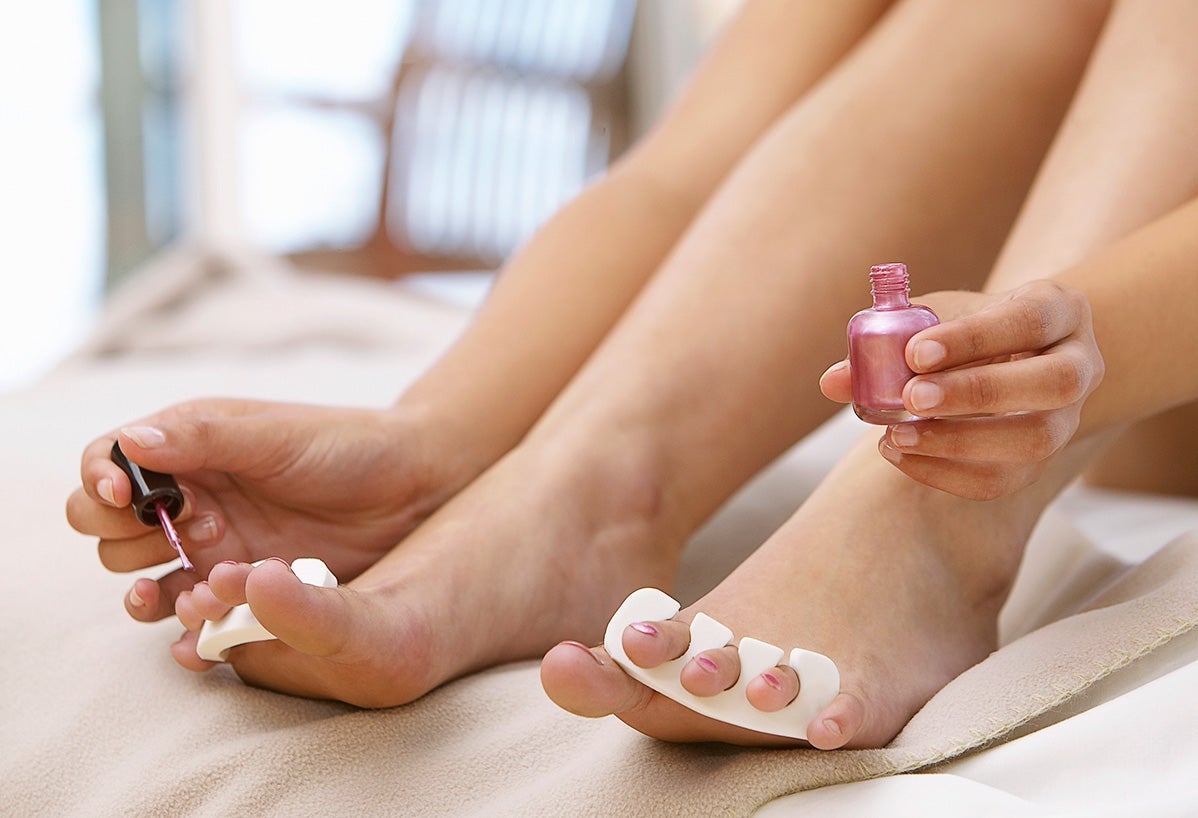
You’re busy, we know! Managing a healthy lifestyle is no small thing. Your day consists of a carefully orchestrated agenda filled with meal planning, fitting in workouts, connecting with your family and friends, and oh yeah, balancing all of it with a career, hobbies, and any other activity you find rewarding. So who needs to waste time slathering on beauty products that don’t deliver results? Not you!
Fortunately, you can increase the efficacy of your everyday beauty treatments, just by applying them at the right time. So go ahead, break out your day planner and pencil in these get-pretty appointments.
The best time to deep condition your hair:Morning
Why: Your hair will soak up moisture any time you offer it, but by applying a leave-in conditioner, before you leave the house, you're giving your hair a little extra protection against damaging UV light, says Jet Rhys, a San Diego salon owner. “The leave-in conditioner will create a protective shield of humectants around the hair and plug up any porous spots,” she explains. Without it, sun can penetrate strands, fading your color and leaving hair dehydrated and dull. In the shower, shampoo and condition your hair as usual. Towel dry, then apply a leave-in treatment to towel-dried hair from the mid-shaft to ends.
The best time to get a manicure:Morning
Why: Nail polish takes at least 12 hours to fully harden, so if you paint it on too late in the afternoon or evening, you can almost guarantee that you'll wake up with your sheets’ linen pattern imprinted on your nail—so not the latest trend in nail art! For a perfect mani, paint your nails early in the day—unless you plan to hit a hot yoga class or give yourself a major blowout later on, says Jane Park, founder of Julep Nails. “Heat makes fresh polish pliable and more likely to nick or dent,” she warns. To speed up the drying process, seal your lacquer with a quick-drying topcoat (though these formulas typically speed-dry only the top layer of polish, so you can still mess up your manicure if you’re not careful).
RELATED: 6 Spa Secrets to Steal
The best time to apply topical antioxidants:Morning and night
Why: Most skin pros suggest topical antioxidants in the morning to help neutralize free radicals (from environmental aggressors like UV light) before they can get into your cells and do damage. But giving your skin a good dose at night, too, can improve your protection against them when you’re exposed the following day, says Neal Schultz, M.D., a dermatologist in New York City. “Applying antioxidants at night gives them time to get into your cells, where they need to be to ward off an attack,” he explains. Schultz’ top antioxidants include vitamins C and E. In the morning, apply an antioxidant-infused day cream with SPF.
The best time to exfoliate:Night
Why: Just like the rest of our body, skin follows a circadian rhythm (the biological clock that determines our body’s biological processes over a 24-hour period), says Jeanette Graf, M.D., a dermatologist in Great Neck, NY. “During the day, skin is in protective mode. At night, it goes into renewal mode,” says Graf. Exfoliating the skin is in tune with renewal and is best done while the skin is naturally renewing itself, she explains. Plus, by clearing away dead skin cells, any anti-aging products (we’ll get to that, keep reading!) you layer on top will penetrate even better.